
Views: 0 Author: Site Editor Publish Time: 2026-02-04 Origin: Site


Standing fans are one of the most common cooling appliances found in homes, offices, and commercial spaces. They are valued for their ability to circulate air, improve ventilation, and provide comfort during warm weather. With everyday use, a natural question arises: what is the life expectancy of a standing fan? Understanding how long a stand fan can reliably operate involves examining its key components—especially the stand fan motor—as well as how it’s used and maintained.
In this comprehensive guide, we’ll explore the typical lifespan of standing fans, the factors that influence their durability, how the stand fan motor plays a pivotal role in overall longevity, and what you can do to extend the life of your appliance. Whether you rely on a fan during hot summer months or use it year round for air circulation, this information will help you make better decisions about purchasing, maintaining, and caring for your stand fan.
At Foshan Winsight Home Appliance Co., Ltd., we understand that quality and long lasting performance are key priorities for users. We’ll share insights based on real world usage and industry norms to help you get the most out of your investment in a standing fan.
The expected life of a standing fan can vary significantly depending on build quality, usage patterns, and environmental conditions. However, most well manufactured stand fans typically last between 5 to 10 years under normal household use.
Average Life Expectancy:
Usage Environment | Expected Lifespan |
Light Household Use | 5–8 years |
Moderate Daily Use | 4–7 years |
Continuous/Heavy Use | 3–5 years or less |
Commercial/Industrial Use | 2–4 years (without maintenance) |
This table provides a general guideline. Fans used intermittently and kept in clean, temperate environments tend to last longer. Meanwhile, fans operating for extended periods or in dusty, humid spaces may wear more quickly.
The longevity of a standing fan is primarily dictated by the quality and performance of its internal components. These components work together to ensure smooth operation, durability, and long-term reliability. By understanding how each part of the fan contributes to its overall lifespan, manufacturers and consumers can make more informed decisions when selecting a fan and taking care of it.
The stand fan motor is the most critical component when it comes to determining the life expectancy of the fan. It drives the fan blades, dictates airflow power, and is directly responsible for the fan's ability to perform at different speed settings. The motor is constantly in motion, so its durability is essential for the fan's long-term function.
Key considerations for motors include:
Motor Type:
Brushless motors are becoming more common in modern standing fans because they generally have a longer lifespan. Brushless motors have fewer moving parts, reducing friction and wear, which contributes to their extended performance.
Brushed motors, on the other hand, tend to wear out more quickly because they use brushes to create contact between the moving parts. This contact results in more friction, leading to faster wear and tear over time. While brushed motors are often cheaper, they require more maintenance and have a shorter lifespan.
Build Quality:
The quality of materials used in the motor can significantly affect its longevity. Stronger bearings, better windings, and higher-grade materials help the motor perform better under stress. When high-quality materials are used, the motor is less prone to overheating and wear. Moreover, adequate insulation helps prevent electrical faults caused by excessive heat, which can extend the motor's life.
Load Tolerance:
A motor designed for heavy-duty use is likely to last longer than a motor meant for occasional use. If a fan motor is built to withstand prolonged operation and higher stress levels, it will be more resilient, even when operating at high speeds for extended periods. Therefore, manufacturers of heavy-duty fans usually incorporate more robust materials, allowing the motor to handle higher loads and continue working efficiently for a longer time.
Fan blades that are balanced and made from good materials (like ABS plastic or lightweight metals) reduce strain on the motor. Balanced blades ensure smooth rotation and less vibration, which helps reduce wear on bearings and other moving parts.
Bearings reduce friction in the motor and pivot points. High quality bearings ensure a smoother and quieter operation and contribute substantially to the fan’s lifespan. Poor or worn bearings can lead to jerky movement, noise, and accelerated motor wear.
Modern standing fans often have electronic speed controls, timers, and remote control functionality. These components must be well built; low quality electronics can fail from power surges, moisture, or simple wear.
Understanding what shortens a fan’s lifespan helps you take steps to avoid premature failure:
Operating a fan for long hours—especially on high speed—places constant stress on the motor and bearings. Though many fans are designed for prolonged use, extended continuous operation without breaks can accelerate wear.
Dust buildup inside the motor, blades, or ventilation slots leads to overheating and increased friction. This can shorten the life expectancy of the motor and reduce overall performance.
Neglecting basic upkeep such as cleaning the fan, lubricating moving parts, or tightening loose screws can contribute to component failure.
Fans used in kitchens, bathrooms, or damp basements are exposed to humidity, which can lead to corrosion of metal parts and electrical issues if not properly built for such environments.
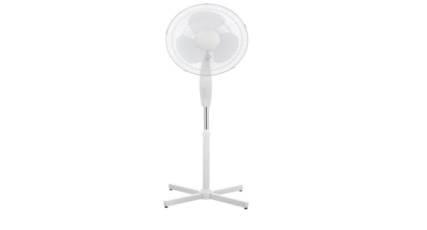
Proper care and maintenance can significantly lengthen the life expectancy of your stand fan. Here are proven strategies to keep your fan running smoothly:
Remove dust from the grill and blades at least once a month. Use a soft brush or cloth to clear debris from the motor housing and air vents. Accumulated dust not only reduces airflow but can trap heat inside the motor.
Some stand fans require periodic lubrication of their pivot points or motor shaft bearings. Check your user manual to see if lubrication is recommended and which type of oil to use.
Use lower speed settings when possible. Running a fan on high speed constantly generates more heat and stresses internal components, particularly the motor.
Place the fan in a well ventilated area, free from excessive dust or moisture. Avoid placing the fan in direct sunlight or near heating vents, which can cause unnecessary thermal stress.
Understanding the signs of wear can help you decide whether to repair or replace your stand fan.
Loud or unusual noises
Reduced airflow despite cleaning
Excessive vibration
Motor overheating
Loose blades or rattling parts
Frequent breakdowns
Motor failure
Parts are no longer available
Repair costs approach or exceed the value of a new fan
If the stand fan motor has burned out or bearings are severely worn, replacement may be more cost effective than repair.
Not all standing fans are created equal. If longevity is your priority, consider these features when choosing a new fan:
Brushless motors – More durable and quiet
Metal components – More robust than all plastic constructions
Multiple speeds and timer options – Allows for flexible use
Warranty coverage – Indicates confidence from the manufacturer
Understanding the life expectancy of a standing fan helps you set realistic expectations and take measures to extend its usefulness. While most quality stand fans last around 5–10 years under normal household use, proper stand fan motor design, regular maintenance, and mindful usage play decisive roles in achieving long term performance.
At Foshan Winsight Home Appliance Co., Ltd., we are committed to offering high quality standing fans designed for durability, strong airflow, and energy efficient performance. Our products are engineered with attention to detail, ensuring reliable operation and peace of mind for our customers.
If you’re considering a new standing fan or want expert advice on choosing the right model for your needs, our team is here to help. Contact us today to learn more about our range of standing fans built to last and support your comfort with lasting performance.
How long does the stand fan motor typically last?
With proper use and maintenance, a quality stand fan motor can last between 5 and 10 years, though heavy usage may shorten this lifespan.
Does cleaning the fan really extend its life?
Yes, regular cleaning prevents dust buildup, which reduces heat buildup and friction—key factors that contribute to motor and component wear.
Are brushless motors better for stand fans?
Yes, brushless motors usually offer greater durability, quieter operation, and longer life expectancy compared to traditional brushed motors.
Can I repair my standing fan if it stops working?
It depends on the issue. Minor problems like loose parts or worn bearings can sometimes be fixed, but major motor failure often requires replacement for effective long term performance.

