
Views: 0 Author: Site Editor Publish Time: 2026-02-17 Origin: Site


Tower fans are one of the most popular types of fans used in modern homes, providing efficient and quiet air circulation in a sleek, space-saving design. The key to their performance and durability lies in their motor. In this guide, we’ll take a deep dive into tower fan motors, exploring their functionality, performance, and longevity. By the end of this article, you’ll have a better understanding of how tower fan motors work and what to look for when purchasing a fan to ensure long-lasting use.
At the heart of every tower fan lies the motor. Tower fans use electric motors to power the fan blades, creating airflow to cool down rooms during warm weather. These motors are designed to work silently while delivering effective performance.
The motor used in a tower fan is typically a small electric motor, often a DC motor or AC motor. The motor’s speed and strength dictate how efficiently the fan circulates air, affecting its performance. In some advanced models, tower fans also incorporate brushless DC motors, which are known for their efficiency and quieter operation.
When it comes to tower fans, the motor's performance plays a pivotal role in determining the effectiveness of cooling and the overall comfort of a space. Whether you're looking to circulate air in a small bedroom or a larger living room, the right tower fan motor is essential for maintaining consistent air movement and ensuring efficient cooling. Without a high-performance motor, even the best-designed fan could fail to meet your expectations for air circulation and comfort.
Several key factors affect the performance of tower fan motors, which directly influence the fan's ability to provide optimal cooling and airflow. These factors include:
Motor Type
The type of motor used in a tower fan significantly impacts both the efficiency and the noise levels of the fan. There are two primary types of motors found in tower fans:
AC Motors: AC (Alternating Current) motors are commonly found in budget-friendly tower fans. While they are capable of providing effective air circulation, AC motors tend to be less energy-efficient and produce more noise compared to their DC counterparts. For smaller spaces, an AC motor can still work efficiently, but in larger areas or environments where quieter operation is desired, a DC motor may be a better option.
DC Motors: DC (Direct Current) motors are increasingly popular in high-end tower fans due to their superior energy efficiency and quieter operation. Unlike AC motors, DC motors use less power and generate less noise while providing consistent airflow. This makes them ideal for larger rooms or spaces where long-term comfort and quiet operation are important. Additionally, DC motors allow for more speed settings, providing greater control over airflow.
Airflow
The ability of a tower fan to move air effectively is a direct reflection of its motor’s power and efficiency. Airflow is measured in cubic feet per minute (CFM), which indicates how much air the fan can move in a given time. A fan with a high CFM rating is capable of cooling larger spaces more effectively. When choosing a tower fan, it’s essential to look at the airflow rating to ensure that it matches your room size and cooling needs.
High Airflow for Larger Spaces: If you're using a tower fan in a larger room or space, opt for a motor that can generate higher airflow. This ensures that the fan moves enough air to cool the entire area without being overworked.
Moderate Airflow for Smaller Spaces: For smaller rooms or spaces, a fan with moderate airflow should suffice, as it will circulate air effectively without wasting energy.
Speed Settings
Tower fans typically come with multiple speed settings that allow you to adjust the fan’s performance based on your preferences or the specific needs of your environment. The speed settings are directly tied to the motor’s power and control over airflow.
More Powerful Motors for Faster Cooling: A tower fan with a more powerful motor can offer higher speed settings, allowing for faster and more efficient cooling. High-speed settings are beneficial in situations where you need to quickly cool down a room or adjust airflow to suit changing temperatures.
Lower Speed for Quiet Operation: If quiet operation is a priority, lower speeds are often sufficient for circulating air in a more subtle manner. This is particularly beneficial for people who want to sleep without the disruption of fan noise, but still require airflow to maintain comfort.
The longevity of a tower fan motor plays a crucial role in the overall lifespan of the fan. A motor that is built to last ensures that the fan operates efficiently for many years, without the need for frequent repairs or replacements.
Several factors affect the durability of tower fan motors:
Quality of Construction: High-quality materials and components, such as well-engineered copper windings and strong bearings, contribute to the longevity of the motor.
Overheating Protection: Many tower fans come with built-in thermal protection that prevents the motor from overheating. This is particularly important in high-performance models that run at higher speeds for extended periods.
Maintenance: Regular maintenance, such as cleaning the motor and blades, can help extend the life of the motor and keep the fan working at peak performance. Dust and debris can accumulate over time, causing the motor to work harder and reduce its lifespan.
Motor Type: Brushless motors generally have a longer lifespan than brushed motors, as they experience less wear and tear over time.
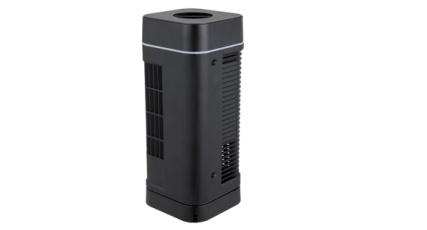
When selecting a tower fan, the motor is one of the most important factors to consider. A high-quality motor will ensure that your fan performs effectively and lasts for many years.
Here are some tips for choosing the right tower fan motor:
Energy Efficiency: Choose a fan with a DC motor if you want a more energy-efficient option. These motors consume less power while still delivering optimal performance.
Noise Levels: If you’re sensitive to noise, consider a fan with a brushless DC motor. These motors are designed to operate more quietly than traditional AC motors.
Fan Size: The size of the fan determines the motor’s power. Larger rooms may require a tower fan with a more powerful motor to ensure adequate airflow.
Speed Settings and Remote Control: A fan with multiple speed settings offers versatility and allows you to adjust the airflow to your comfort level. Some fans also include remote controls for convenience.
Proper maintenance of your tower fan motor is essential for ensuring its longevity. Here are some tips to keep your fan running smoothly:
Regular Cleaning: Dust and debris can accumulate in the motor and blades, affecting performance. Clean the motor and blades regularly with a soft cloth or vacuum cleaner.
Lubrication: Some tower fans have motor parts that require periodic lubrication. Always check the user manual to see if your fan requires this type of maintenance.
Storage: When not in use, store the fan in a cool, dry place to prevent dust buildup and protect the motor from moisture.
Inspection: Occasionally inspect the fan’s motor for any signs of wear or damage. If you notice any issues, it’s best to address them early to avoid further damage.
The motor is the heart of any tower fan, and its performance, longevity, and maintenance directly impact the fan’s effectiveness and durability. When choosing a tower fan, consider factors like motor type, airflow, speed settings, and maintenance requirements to ensure you select the best model for your needs. Regular upkeep of the fan motor can extend its lifespan and keep it running at peak performance for years to come.
At Foshan Winsight Home Appliance Co., Ltd., we provide top-quality tower fans designed for high performance and durability. Our fans feature advanced motor technology that delivers efficient and quiet operation, ensuring your comfort while saving energy. For more information about our tower fan products, feel free to reach out to us.
What type of motor is best for a tower fan?
Brushless DC motors are ideal for tower fans as they offer better energy efficiency and quieter operation compared to traditional AC motors.
How can I maintain my tower fan motor?
Regular cleaning, lubrication, and inspections are essential for maintaining your fan motor’s performance and longevity.
Do tower fans with DC motors consume less energy?
Yes, tower fans with DC motors are more energy-efficient, using less power while still providing optimal performance.
Can a tower fan motor affect the noise level?
Yes, the type of motor affects the noise level. Brushless DC motors tend to be quieter than AC motors, making them a good choice for noise-sensitive environments.

